


DT-C | Knowledge Nuggets #4 The Executive Coaching Edition: Transformation, Accountability, and Knowing When to Let Go

Accountability Accountability Infrastructure Advisory AI Change Coaching Commercial Excellence Competitive Advantage Culture CX Executive Coaching Impact Leadership Leadership Styles Margin mentoring Performance Psychological Safety Recruitment Sales Start With Why Strategic Discipline Strategy Team Building The GC Index® The Golden Circle Transformation

🎯 Executive Coaching: Transformation, Accountability, and Knowing When to Let Go – Knowledge Nuggets #4 The Executive Coaching Edition
The executive coaching industry generated over $5 billion in 2025—nearly double the 2023 total. Yet despite 90% satisfaction rates, one in five leaders aren’t getting the value they expected. The question isn’t just about finding the right coach; it’s about understanding what makes coaching transformational and knowing when it’s time to move on.
🔍 What Separates Coaching from Other Support
Many executives conflate coaching with mentoring or advisory relationships, but they serve different purposes. Mentors provide answers based on experience. Trusted advisors offer thought partnership on demand. Coaches ask questions—helping executives find answers within themselves, building self-awareness through guided discovery.This distinction matters because coaching should be finite. As executive coach Karin Stewarky puts it: “The role of the coach, ultimately, is to make themselves obsolete.”For coaching to succeed, three elements must be in place:
- Good fit: Trust and connection—including the ability to hear hard truths
- Clear objectives: “If this engagement succeeds, what will be different about my leadership?”
- Guardrails: Confidentiality, frequency, preparation expectations, and progress metrics
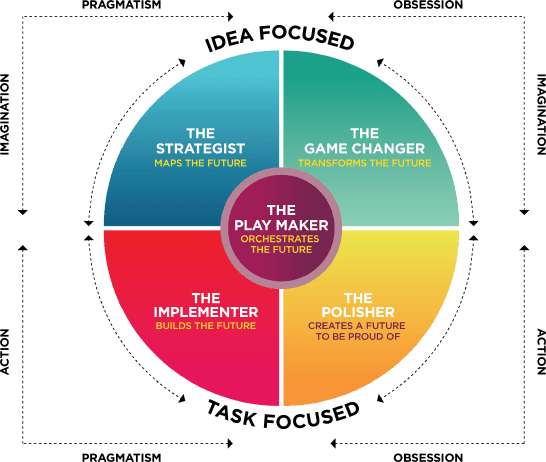
GC Index insight: Different proclivities will approach coaching objectives differently. Game Changers may seek coaching to challenge the status quo and generate breakthrough ideas. Strategists want data-driven alignment with long-term goals. Play Makers value relationship-building and team engagement. Implementers focus on structured execution plans. Polisherspursue excellence and refinement in delivery. Understanding your proclivity helps set the right coaching agenda.
💬 The Three Keys to Effective Coaching Conversations
Whether you’re an executive coach or embedding coaching into your leadership, mastering the coaching conversation is transformational. Research from the Center for Creative Leadership shows these conversations strengthen relationships, foster problem-solving, and build accountability—creating a coaching culture that boosts engagement and performance.The framework requires disciplined practice:
1. Listen carefully.
True listening goes beyond active listening—it’s listening to understand. Pay attention to facts, values, and emotions. This is where you find unstated objections and concealed barriers.
2. Respond thoughtfully.
Ask powerful, non-directive questions: “How do you want your team to feel when you announce this?” versus “When are you announcing it?” The former opens thinking; the latter confirms facts.
3. Resist imposing your own solution.
Coaching is about the other person’s learning—not your expertise. Balance challenge with support to create psychological safety, trust, and transparency.
⏸️ When It’s Time to Reassess—or Walk Away
Coaching typically runs six to twelve months. Longer engagements make sense when responsibilities shift, new development areas emerge, or the relationship evolves. But coaching can outlive its usefulness.Signs it’s time for a coaching break:
- Loss of engagement: Sessions postponed, preparation slips, experiments not followed through
- Progress stalls: Discussions repeat; no new insights emerge
- “Just talking”: Rapport drifts into cheerleading vs. the hard work of growth
- Progress complete: The coachee is ready to continue independently
As Jill Ader, former Egon Zehnder chair, notes: “It is very difficult for one person to address the range of support a CEO may need.” Sometimes a wholesale change is necessary; sometimes a specific challenge requires a different skillset.The recommendation? Regularly assess the impactand adjust to sustain progress. Ensure whoever is paying is getting their money’s worth.
🚀 Your Next Step
Executive coaching is a powerful lever for leadership transformation—but only when set up for success, rooted in clear objectives, and held accountable to outcomes. Whether you’re considering coaching, embedding coaching skills, or evaluating an existing engagement: listen deeply, ask powerful questions, resist the urge to solve, and know when it’s time to evolve.
Need support in defining coaching objectives, building a coaching culture, or assessing ROI? Prefer to mix it up with Advisory or Mentoring for maximum impact? Either way: Get in touch with DT-C Daniel Tyrkas: Expert in Consulting & Performance Coaching
📬 Share this newsletter with colleagues navigating their leadership journey.
✉️ Subscribe at dt-c.info/knowledge-nuggets.
📂 Browse the archive at DT-C Knowledge Nuggets Archive.
All the best,
Daniel Tyrkas
DT-C Consulting & Performance Coaching
Did you like the newsletter? Appreciate your feedback via reply or comment in the online version
Sources: “When It’s Time for a Coach and a Coachee to Break Up” (Egon Zehnder/HBR, 2026), “How to Have a Coaching Conversation” (Center for Creative Leadership, 2025), GC Index Team Impact frameworks. DT-C Consulting & Performance Coaching
Accountability Accountability Infrastructure Advisory AI Change Coaching Commercial Excellence Competitive Advantage Culture CX Executive Coaching Impact Leadership Leadership Styles Margin mentoring Performance Psychological Safety Recruitment Sales Start With Why Strategic Discipline Strategy Team Building The GC Index® The Golden Circle Transformation
Leave a Reply